

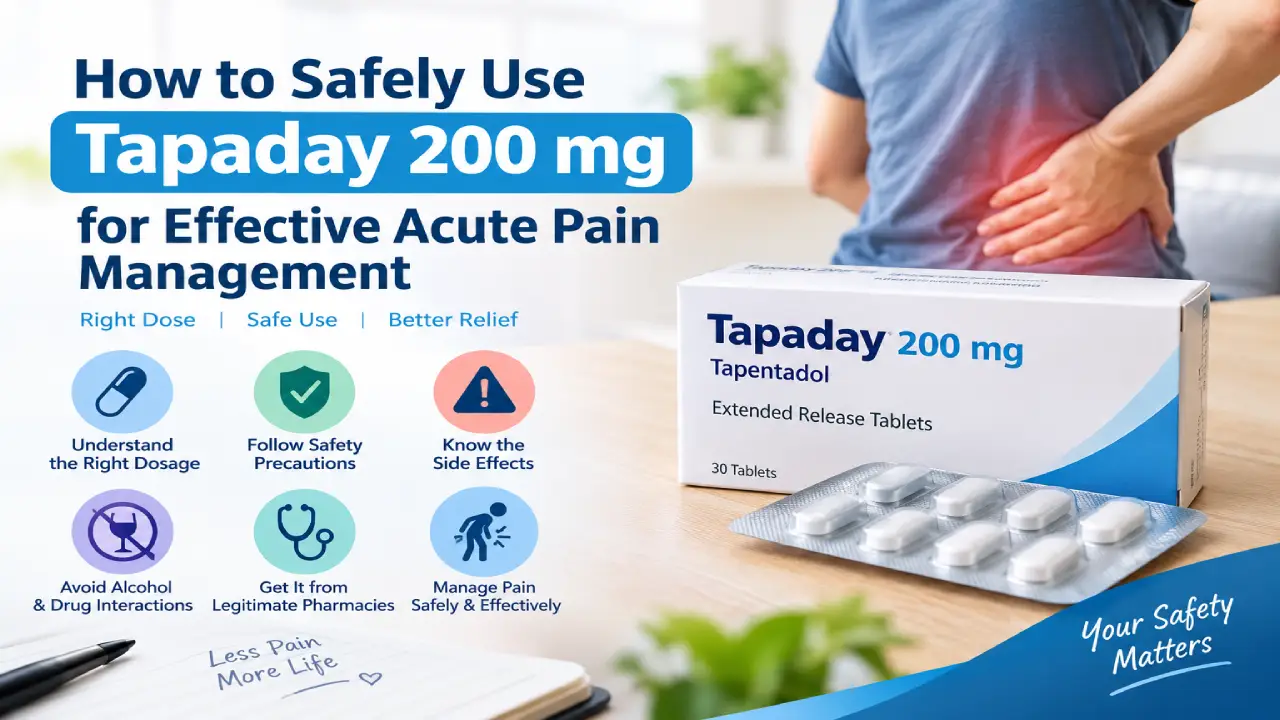
Acute pain can interfere with sleep, movement, work, and everyday activities. When pain is severe enough to require an opioid analgesic, a healthcare professional may consider medicines containing tapentadol when other appropriate treatment options are inadequate.
Tapaday 200 mg is a strength associated with tapentadol products, but the exact formulation matters. In particular, extended-release tapentadol is designed for scheduled, around-the-clock treatment and is not intended to be used as an as-needed medicine for sudden pain. Patients should therefore never assume that a 200 mg tablet is appropriate simply because their pain is severe.
This guide explains important safety considerations surrounding tapentadol, including appropriate use, potential interactions, side effects, and precautions.
Medical disclaimer: This article is for general educational information and is not a substitute for an individualized prescription or advice from a doctor or pharmacist.
What Is Tapentadol?
Tapentadol is a centrally acting opioid analgesic. U.S. labeling for immediate-release tapentadol indicates it for acute pain severe enough to require an opioid when alternative treatments are inadequate. Because opioids can cause addiction, misuse, overdose, respiratory depression, and death, they should be used only under appropriate medical supervision.
Tapentadol works through two principal mechanisms: it activates opioid receptors and also affects norepinephrine signaling. This combination contributes to its analgesic effect.
However, stronger pain relief does not automatically mean that a higher dose is safer or more appropriate. The correct dose depends on factors such as the type and severity of pain, previous opioid exposure, other medicines, medical conditions, and individual response.
Is Tapaday 200 mg Appropriate for Acute Pain?
This is an important distinction.
If Tapaday 200 mg refers to an extended-release tapentadol formulation, it should not be treated as a rescue medication for occasional acute pain. U.S. prescribing information states that tapentadol extended-release tablets are not indicated as an as-needed analgesic. For opioid-naïve or opioid-non-tolerant patients, the labeled starting dose of extended-release tapentadol is substantially lower than 200 mg.
For immediate-release tapentadol, U.S. labeling uses individual doses of 50 mg, 75 mg, or 100 mg for adults, depending on clinical circumstances. Therefore, patients should not take a 200 mg tablet for acute pain unless that exact product and dose have been specifically prescribed and confirmed by their healthcare professional.
How to Use Tapentadol Safely
1. Use It Only as Prescribed
Follow the prescription label exactly. Do not increase the dose, take doses more frequently, or use someone else’s medication.
Tapentadol dosing is individualized according to pain severity, previous analgesic exposure, response to treatment, and risk factors for opioid-related harm. Current labeling recommends using the lowest effective dosage for the shortest appropriate duration.
2. Confirm the Formulation
Before taking Tapaday 200 mg, check whether the product is immediate-release or extended-release.
This distinction is critical because extended-release formulations have different dosing instructions and safety considerations. Extended-release tapentadol should be swallowed intact and must not be crushed, chewed, broken, or dissolved because doing so can release the medicine too rapidly and potentially cause a life-threatening overdose.
3. Never Combine It With Alcohol
Alcohol can increase the sedative and respiratory-depressant effects of opioids.
Avoid alcoholic beverages while using tapentadol unless your healthcare professional specifically tells you otherwise.
4. Be Careful With Other Sedating Medicines
Tapentadol can interact dangerously with other central nervous system depressants, including benzodiazepines and other sedative medicines. Combining opioids with benzodiazepines or other CNS depressants can result in profound sedation, respiratory depression, coma, or death.
Tell your doctor or pharmacist about every prescription medicine, over-the-counter medicine, supplement, and recreational substance you use.
5. Discuss Antidepressants and Other Serotonergic Medicines
Tapentadol can also interact with medicines that influence serotonin and norepinephrine pathways. Your prescriber should review your medication list before treatment.
Do not start, stop, or combine prescription medicines on your own.
Common Side Effects
Tapentadol may cause side effects such as:
- Nausea
- Vomiting
- Dizziness
- Sleepiness or drowsiness
- Constipation
- Headache
- Dry mouth
Some people may experience stronger sedation or impaired coordination.
If you become unusually sleepy, confused, difficult to awaken, or experience slow or difficult breathing, seek emergency medical assistance.
The U.S. prescribing information identifies nausea, dizziness, vomiting, and somnolence among commonly reported adverse reactions with immediate-release tapentadol.
Serious Safety Risks
Respiratory Depression
One of the most important opioid risks is respiratory depression. It can occur particularly when treatment is started or when the dose is increased.
Emergency symptoms may include:
- Very slow or shallow breathing
- Difficulty waking up
- Extreme sleepiness
- Blue or gray lips or fingertips
- Loss of consciousness
Call emergency medical services immediately if these symptoms occur.
Dependence, Misuse, and Addiction
Tapentadol is an opioid and can cause physical dependence, misuse, addiction, overdose, and death. These risks can occur even when opioids are taken as prescribed.
For this reason, treatment should be regularly reassessed, particularly if pain continues for longer than expected.
Withdrawal
Someone who has developed physical dependence should not suddenly stop regular tapentadol treatment without medical guidance. Rapid reduction or abrupt discontinuation can cause withdrawal symptoms and uncontrolled pain.
A healthcare professional can determine whether a gradual reduction is appropriate.
Who Should Exercise Extra Caution?
Tell your healthcare professional if you have:
- Breathing problems
- Liver disease
- Kidney problems
- A history of substance-use disorder
- A history of medication misuse
- Head injury or increased intracranial pressure
- Other conditions that increase sensitivity to opioid medicines
The prescriber may need to select a different medicine, adjust treatment, or monitor you more closely.
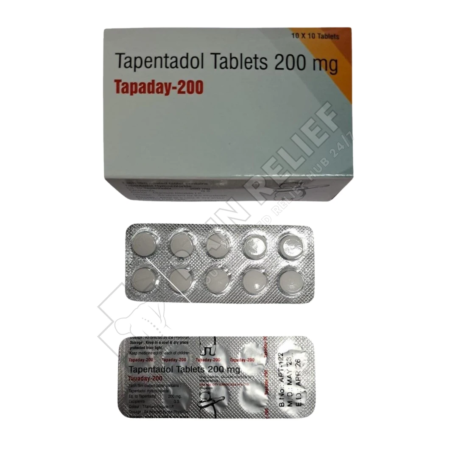
What About Tapaday 200 Delivery USA?
People searching online for “Tapaday 200 delivery USA” should first verify exactly what medicine and formulation they are being offered.
A legitimate prescription medicine should be obtained through a healthcare professional and a properly authorized pharmacy. Avoid websites offering opioid medicines without a valid prescription, making unusually strong claims, or failing to provide verifiable pharmacist and pharmacy information.
Online availability or delivery does not establish that a medicine is genuine, legally supplied, or appropriate for your medical condition.
What About “Buy Pain Meds Online USA”?
Searches such as “buy pain meds online USA” can return both legitimate pharmacies and unsafe websites. Consumers should be particularly cautious when the product is an opioid.
Before ordering prescription pain medicine online:
- Make sure you have a valid prescription when required.
- Verify that the pharmacy is legally authorized to dispense prescription medicines.
- Confirm that the medicine has a clear manufacturer, strength, dosage form, and labeling.
- Avoid sellers that offer controlled medicines without appropriate prescription requirements.
- Be cautious about unusually low prices or claims of guaranteed pain relief.
- Ask a pharmacist to verify the product if you have doubts about its authenticity.
These steps are especially important with tapentadol because opioid medicines carry significant safety risks.
Can You Take Tapentadol With Other Painkillers?
Do not automatically combine tapentadol with another opioid or prescription pain medicine.
Your doctor should determine whether combination therapy is appropriate based on your medical history and current medicines. Some combinations can increase sedation, respiratory depression, overdose risk, or other adverse effects.
Never use another person’s opioid medication to supplement your prescription.
How to Store Tapentadol Safely
Store tapentadol securely and according to the product labeling.
Because accidental ingestion can be dangerous, keep opioid medicines away from children, visitors, and anyone for whom the medicine was not prescribed. Dispose of unused medication through an appropriate medication take-back or disposal program where available.
Frequently Asked Questions
Is Tapaday 200 mg safe for everyone?
No. Safety depends on the formulation, prescribed dose, medical history, other medicines, opioid tolerance, and individual risk factors. A 200 mg strength should not be assumed to be an appropriate starting dose.
Can I take Tapaday 200 mg whenever my acute pain gets worse?
Not if it is an extended-release formulation. Extended-release tapentadol is not indicated as an as-needed analgesic. Follow the exact instructions supplied with your prescription.
Can I drink alcohol while taking tapentadol?
Alcohol should generally be avoided because it can increase opioid-related sedation and respiratory depression.
Can I crush an extended-release tablet?
No. Extended-release tapentadol tablets should be swallowed intact. Crushing, chewing, breaking, or dissolving them can cause uncontrolled drug release and potentially fatal overdose.
What should I do if I accidentally take too much?
Treat a suspected opioid overdose as an emergency. Seek emergency medical help immediately. If naloxone is available and an opioid overdose is suspected, administer it according to its instructions and continue emergency care.
Final Thoughts
Tapaday 200 mg should not be considered a routine solution for acute pain without first confirming the exact formulation and prescription instructions. Tapentadol can provide analgesia when appropriately prescribed, but it is an opioid medicine with potentially serious risks.
Safe use means following the prescribed dose, avoiding alcohol and dangerous drug combinations, never altering an extended-release tablet, recognizing symptoms of respiratory depression, and obtaining prescription medicines only through legitimate healthcare channels.